
Established in 1852, Burnet County consisted of a collection of small communities spread out over a rugged landscape of creeks, rocky hills, and rivers. Travel was hard, but bridges allowed life to flow between settlers, expanding opportunities for education, industry, and companionship.
The county’s truss-style bridges in Pratt, Parker, and Warren designs weren’t able to handle the type of vehicles and traffic that came with modernization and development. All of the old metal truss bridges have been replaced over the years, but four are still standing.
The old U.S. 281 bridge in Marble Falls was imploded in 2013 and replaced.
Here are the historic bridges of Burnet County and their stories.
Joppa Bridge
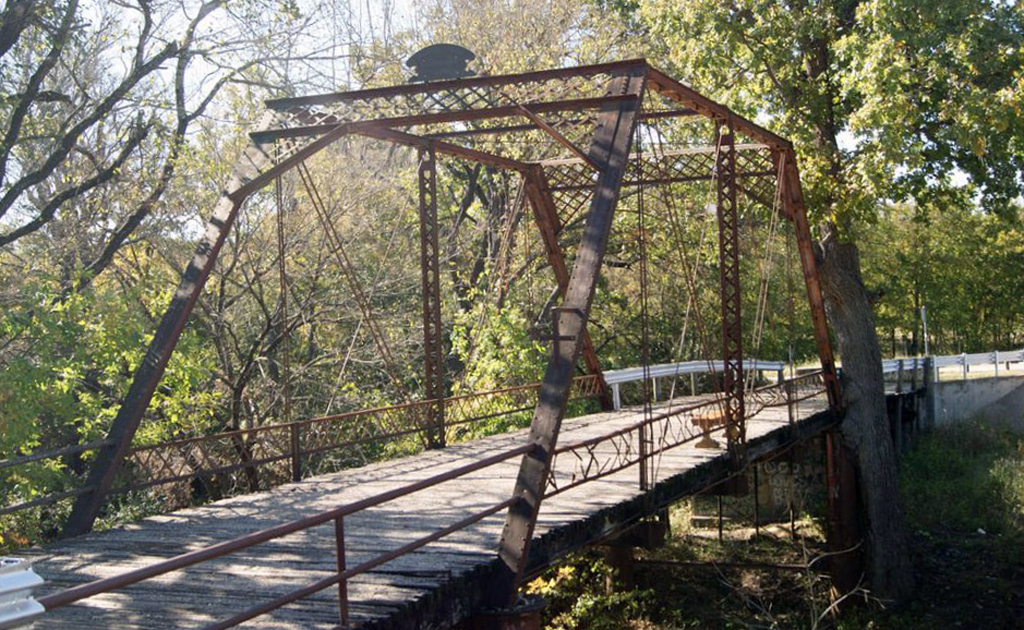
The Joppa Bridge, also known as the North Fork San Gabriel River Bridge, is located where Burnet County Road 200 crosses the North Fork of the San Gabriel River in Bertram. This iron-and-wood, Pratt-designed through-truss bridge was built in 1907 by the Missouri Valley Bridge & Iron Co. in Leavenworth, Kansas. The bridge improved access to education for the young and expanded economic progress.
A new, sturdier bridge was built alongside it in 2000, but the original remains a beloved part of the Joppa community. It is decorated with lights each year for the holidays and is the site for monthly community coffee klatches.
The historic bridge is slated for renovations so community gatherings, including weddings and graduation photos, can safely continue for years to come.
Russell Fork San Gabriel River Bridge
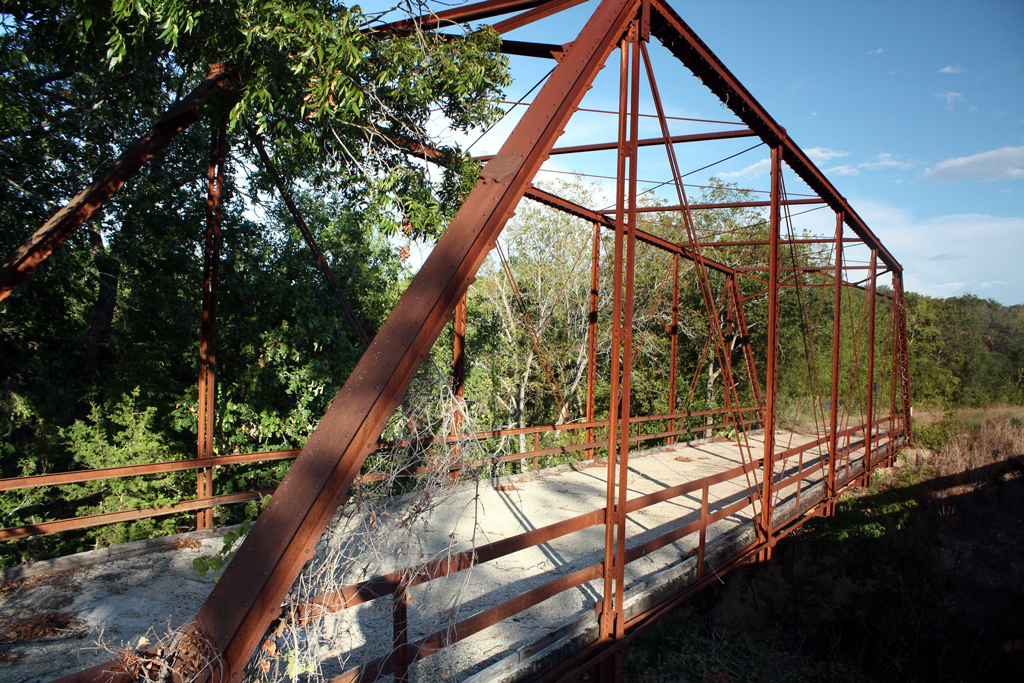
Located on Burnet County Road 272, the bridge crosses the Russell Fork of the San Gabriel River in Bertram. The iron-and-wood, Pratt-designed through-truss bridge was built in 1911 by the Missouri Valley Bridge & Iron Co.
It was an important asset to the Joppa community. A historical marker notes that the river under the bridge was a popular spot for entertainment and relaxation during the Great Depression and World War II. The Russell Fork bridge closed to automobiles in 2005 when a new bridge was built next to it.
Texas Highway 29 Colorado River Bridge
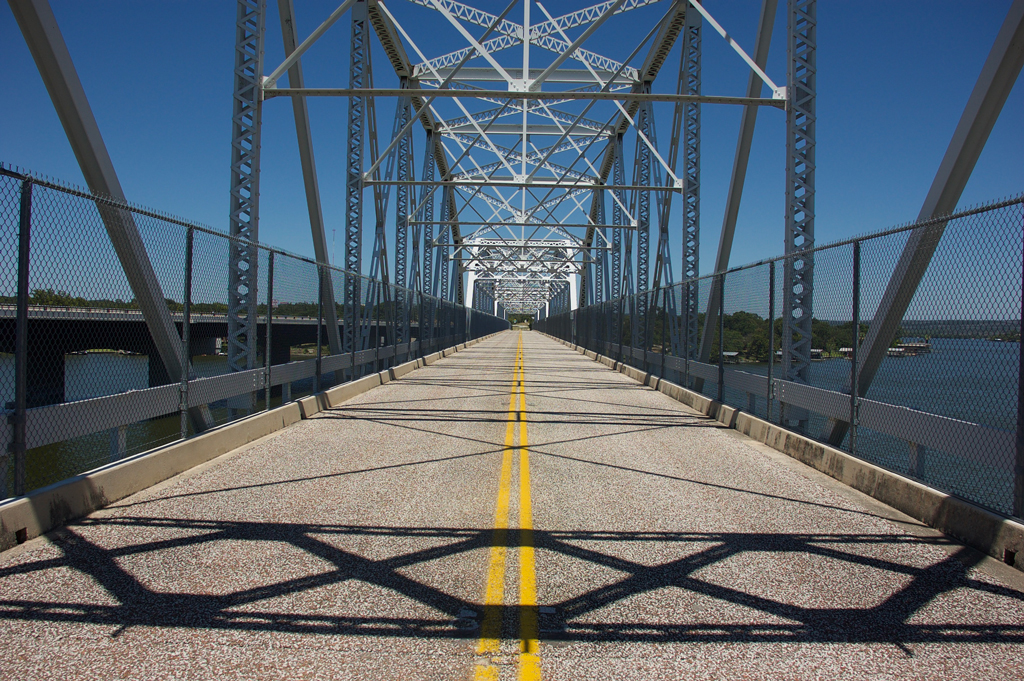
Located in both Burnet and Llano counties, this bridge is also known as the Inks Lake Bridge and the Buchanan Dam Bridge. It spans Inks Lake as it flows from Buchanan Dam.
The concrete-and-steel, Parker-designed truss bridge was built in 1937 by the Austin Bridge Company out of Dallas. It was constructed during the planning of Buchanan Dam, as the new dam would cause the existing roadway to be submerged under what would become Inks Lake. The well-constructed bridge remained standing and open to pedestrian traffic after Texas 29 was rerouted in 2005. The Texas Historical Commission approved a Historical Site Marker for the bridge, which is now being made.
Gridiron Branch Bridge
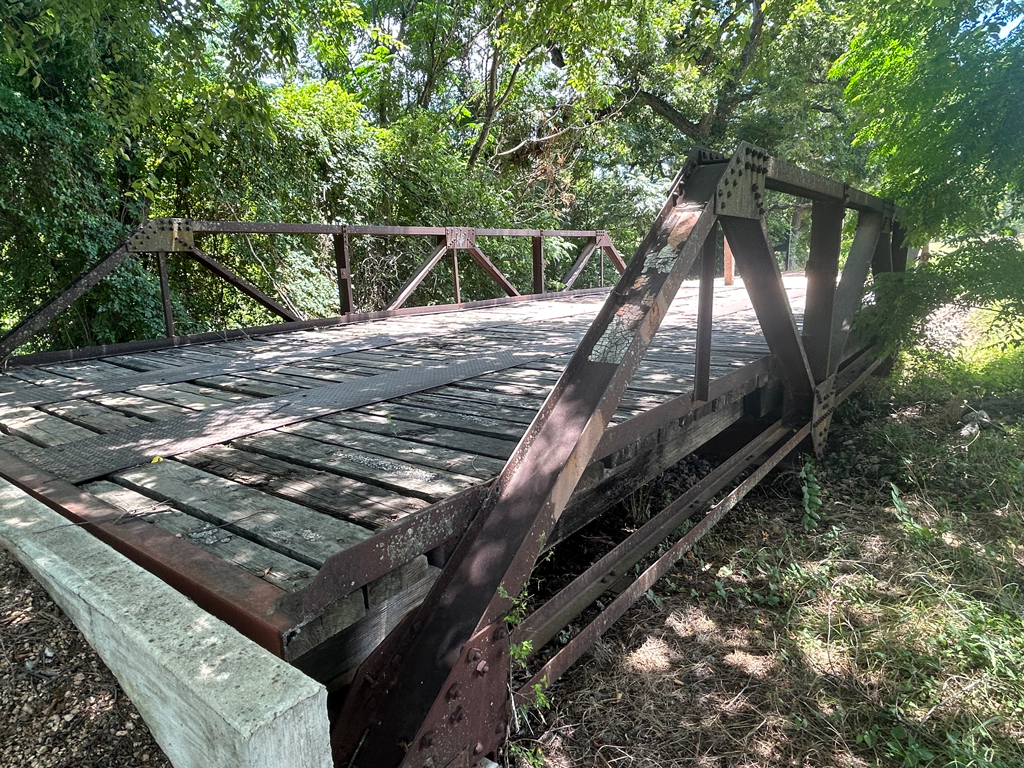
This bridge was originally located on Burnet County Road 404 at the Gridiron Branch of Double Horn Creek in Spicewood. The iron-and-wood pony-truss style bridge was constructed in 1938 to connect Marble Falls and Spicewood. The sturdy bridge served the community for 73 years, surviving numerous floods, including one notable “rain bomb” flood in June 2007.
The well-loved bridge was moved 16 miles in 2011 to its present location in Johnson Park in Marble Falls. The bridge was christened Madolyn’s Crossing after the late Marble Falls historian Madolyn Frasier. A new reinforced concrete bridge was built in its place on CR 404.
U.S. 281 bridge
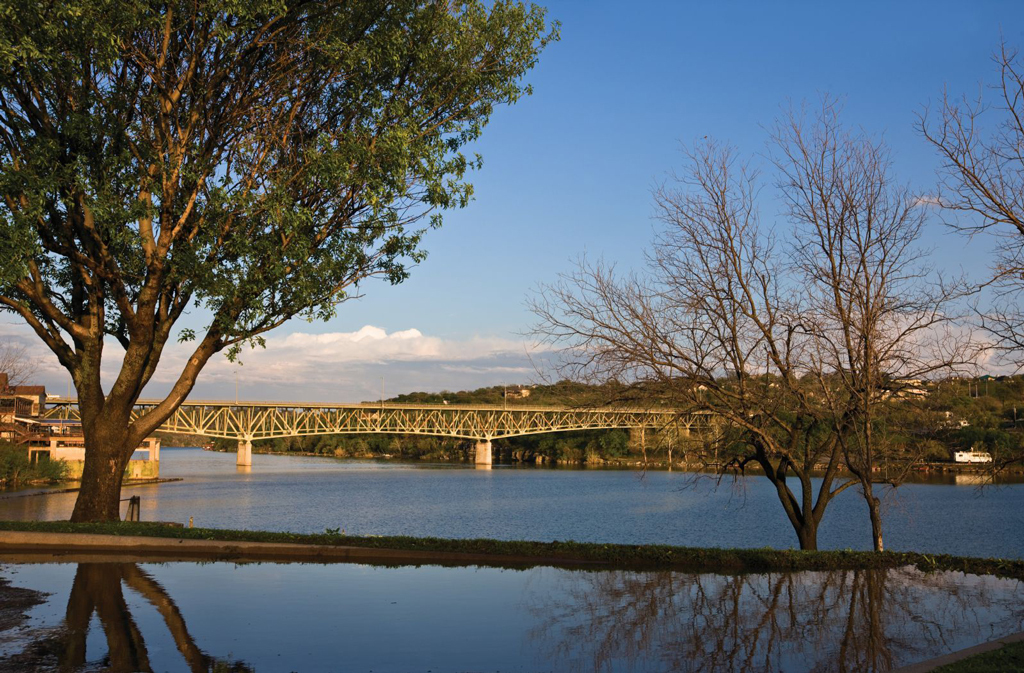
Marble Falls has been through several bridges at this location south of the city. The first permanent bridge was constructed in 1891 and destroyed by a flood in 1935.
The second permanent bridge, built in 1936, was a cantilever deck-truss design of metal and concrete. It carried traffic along U.S. 281 over the Colorado River/Lake Marble Falls for 80 years. That bridge was replaced by concrete twin bridges in 2013. The old bridge was imploded with much fanfare shortly after the new ones opened.