
The highland lakes
Five lakes. One river. A hundred miles of Texas Hill Country shoreline — and the best cabin, boating, and fishing country in Central Texas.
The Lakes at a Glance
River: Colorado River — runs from Llano County to Austin
Lakes: 5 lakes: Buchanan · Inks · LBJ · Marble Falls · Travis · Austin
Dams: Built by LCRA, 1938–1951 — hydroelectric power + flood control
In Burnet County: Lake Buchanan, Inks Lake, Lake LBJ, Lake Marble Falls, Lake Travis
Best For: Fishing · Boating · Swimming · Kayaking · Cabin Rentals · Wildlife Viewing
Distance: 85 miles northwest of Austin to the heart of Burnet County

Texas Hill Country’s Most Beautiful Chain of Lakes
The Highland Lakes are five man-made lakes formed by dams on the Colorado River as it winds southeast through Central Texas toward the Gulf of Mexico. The Lower Colorado River Authority — the LCRA — built the dams between 1938 and 1951 to generate hydroelectric power and protect the region from devastating floods. What they created, almost incidentally, was one of the most beautiful recreation corridors in the state.
Starting at Lake Buchanan in the northwest — the largest of the chain at more than 22,000 acres — the water steps down through Inks Lake, Lake LBJ, Lake Marble Falls, and Lake Travis. Each lake has its own personality, its own shoreline towns, and its own reasons to visit. Burnet County sits at the heart of the chain, with four lakes running through or bordering its landscape.
Whether you’re looking for big-water boating on Lake Buchanan, the wild pink granite shores of Inks Lake, the constant-level calm of Lake LBJ, the intimate paddle-friendly surface of Lake Marble Falls, or the blue expanse of Lake Travis — there’s a lake here for every kind of water traveler. The cabins, vacation rentals, and short-term stays on these shores make the Highland Lakes one of the best weekend-getaway destinations within 100 miles of Austin.
Lake Buchanan
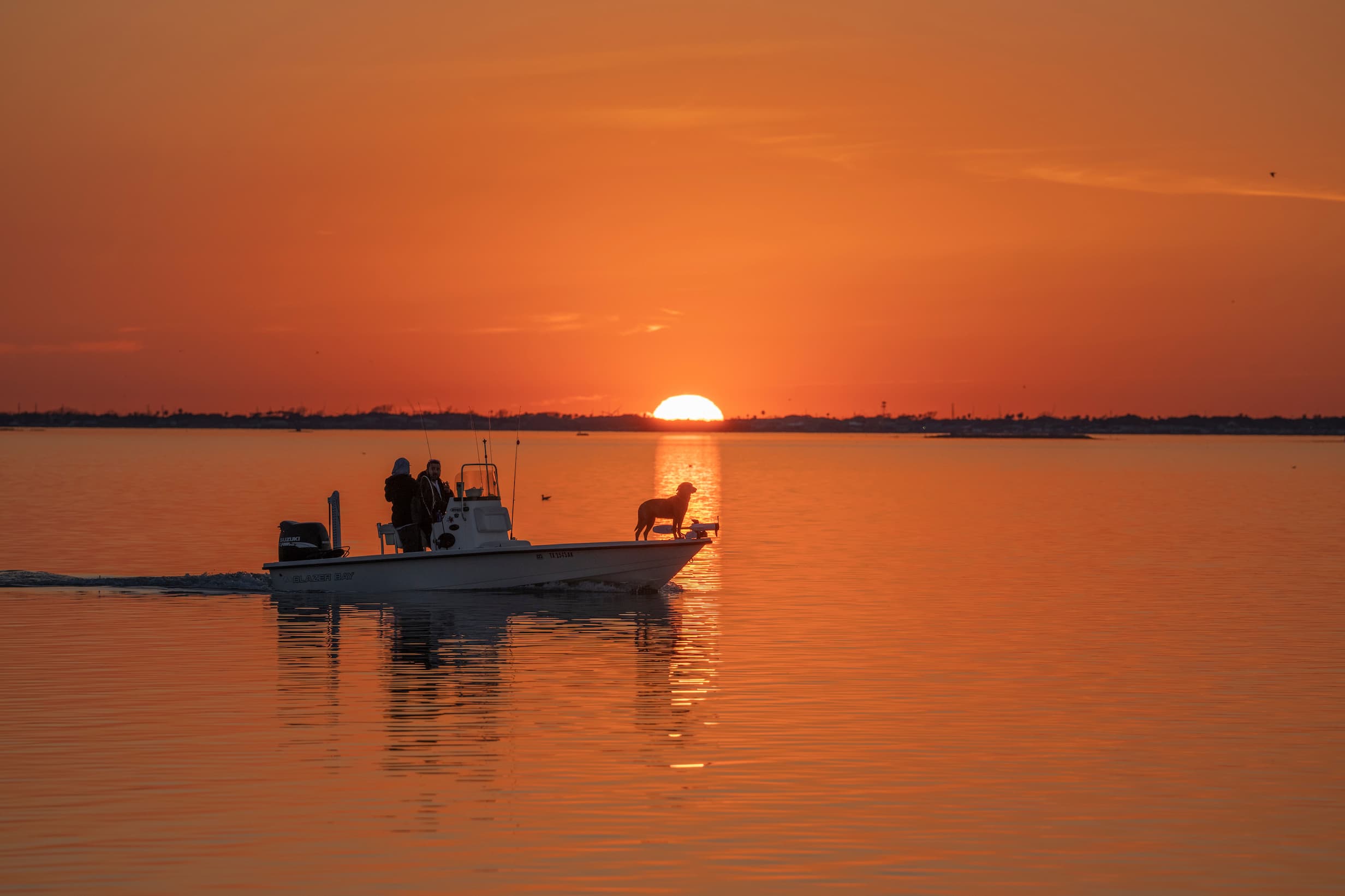
Lake Buchanan is where the Highland Lakes chain begins — and where the big water is. The largest of the six lakes at over 22,000 acres, Buchanan stretches nearly 30 miles through the Hill Country with 124 miles of shoreline and a maximum depth of 132 feet. When it was completed in 1938, Buchanan Dam was the longest multiple-arch dam in the United States.
Buchanan is one of only two true reservoirs in the chain, meaning its water levels fluctuate with rainfall and demand. What that means for visitors: dramatic shoreline scenery, world-class striper fishing, bald eagle watching in winter, and scenic river cruises through its wild, undeveloped upper reaches. The Vanishing Texas River Cruise departs from Canyon of the Eagles — one of the most unique ecotourism experiences in the state.
inks lake
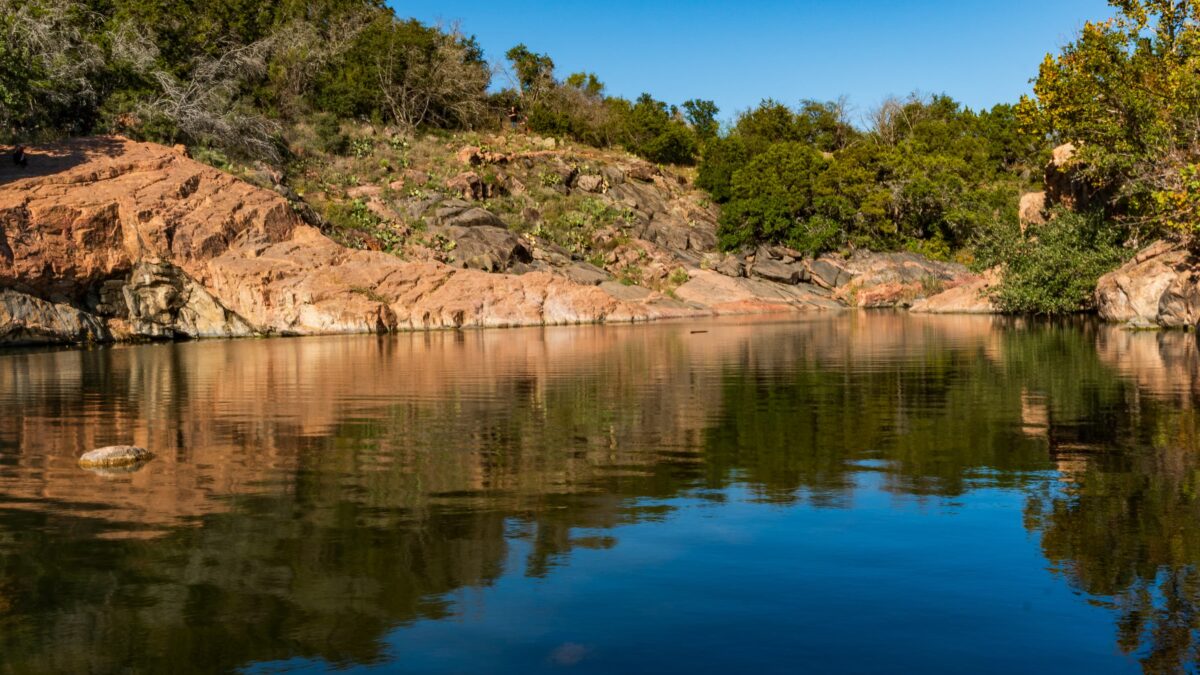
Inks Lake is the second and smallest of the Highland Lakes, but per acre it may be the most spectacular. Surrounded by pink granite outcroppings, cedar and live oak, and crystal-clear water, Inks Lake is what the Texas Hill Country looks like when it’s showing off. Inks Dam is the only dam in the chain with no floodgates — meaning Inks Lake holds at an exceptionally stable level, making it perfect for swimming and paddling year-round.
Inks Lake State Park occupies nearly the entire east shoreline — 1,200 acres of camping, swimming, kayaking, fishing, hiking, and some of the best scenery in the Texas state park system. The park’s crown jewel is Devil’s Waterhole, a series of pink granite pools connected by small waterfalls that make for one of the most photographed swimming spots in Texas. Longhorn Cavern State Park is just minutes away.
Lake LBJ
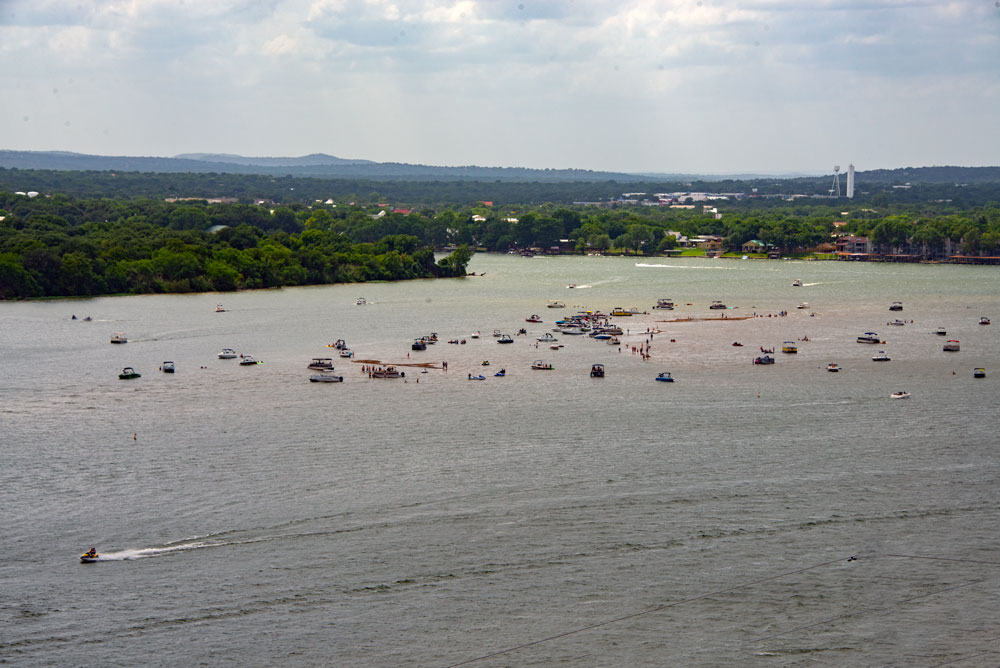
Lake LBJ is the recreational heart of the Highland Lakes. Originally named Lake Granite Shoals, it was renamed in 1965 to honor President Lyndon B. Johnson — who had his own lake house here and entertained foreign dignitaries on these waters during his presidency. At 6,534 acres with nearly 60 miles of shoreline, LBJ is one of the larger lakes in the chain — and because it operates as a pass-through lake, it holds at a near-constant level, making it ideal for boating, water skiing, and personal watercraft year-round.
The lake’s shoreline tells the story of the Hill Country’s resort culture: Horseshoe Bay Resort (one of Texas’s premier destination resorts) anchors the south shore. Kingsland, with its historic Antlers Inn and the legendary AquaBoom July 4th celebration, anchors the north. The Colorado River and Llano River converge at Kingsland in the lake’s upper reaches — creating the sandy shallows locals call The Slab, one of the most beloved swimming and gathering spots in the region.
lake marble falls

Lake Marble Falls is the smallest of the Highland Lakes at just 611 acres — but what it lacks in scale it makes up in charm and accessibility. The historic Great Falls of Marble Falls now lie permanently submerged beneath this lake, their memory preserved in the city’s name. Starcke Dam completed the impoundment in 1951, and today the lake sits at the back door of downtown Marble Falls, visible from Main Street and walkable from the Blue Bonnet Cafe.
Like Lake LBJ upstream, Lake Marble Falls operates as a near-constant level pass-through lake — making it one of the calmest and most consistent paddling surfaces in the Hill Country. Johnson Park and City Park both provide public lake access, boat ramps, beaches, and picnic areas. The lake is the backdrop for LakeFest, Marble Falls’ annual drag boat racing festival on Labor Day weekend — one of the biggest drag boat events in the country.
Lake Travis

Lake Travis is the longest of the Highland Lakes at 65 miles and the only lake in the chain specifically designed as a flood-control reservoir — meaning its water levels fluctuate dramatically depending on rainfall and drought conditions. When full, Lake Travis holds over 1.1 million acre-feet of water across nearly 19,000 acres with 270 miles of shoreline. It is the most dynamic — and arguably the most dramatic — lake in the chain.
The Burnet County portion of Lake Travis, anchored by Spicewood on the western shore, is the quieter, more scenic side of a lake that gets busier as it approaches Austin. Krause Springs — a beloved natural swimming hole just off the lake near Spicewood — is one of the most popular day trip destinations in the Hill Country. Lake Travis is the gateway lake of the Highland Lakes for Austin-area visitors, making the Burnet County shore an ideal landing point for those wanting the lake experience without the crowds.
Find Your Lake.
Book Your Cabin.
The Highland Lakes are at their best from the water — or from a front porch overlooking it. Short-term rentals, lake cabins, and vacation homes dot the shores of Lake Buchanan, Inks Lake, Lake LBJ, Lake Marble Falls, and Lake Travis throughout Burnet County, putting you right where you want to be: on the water, in the Hill Country, far enough from the city to actually unwind.